Departments
Scottish History & Archaeology
Welcome to the Scottish History & Archaeology department.
We care for one of the most representative national collections of archaeological and historical artefacts anywhere in the world.
Nearly 250 years of systematic collecting has built a material record of the place we now call Scotland, placed within its wider European and global contexts.
Contact list of staff members
Scottish History & Archaeology department
Our collections
The collections have been developed over generations through antiquarian collecting, chance finds, archaeological excavation, targeted purchases, donations of treasured family possessions and dedicated efforts to collect the contemporary.

Prehistoric and Roman Archaeology
Archaeological collections from the first human settlement of Europe during the Palaeolithic up to the end of the Roman period.
Medieval Archaeology and History
Covering the material evidence of a crucial thousand-year period from the fifth to the fifteenth century AD through a range of archaeological finds and assemblages.

Modern and Contemporary History
Material evidence of social, cultural, political and military history in Scotland from around 1750 to the present day.
What we do
Our team of archaeologists and material historians research, share knowledge and continue to build the Scottish collections.


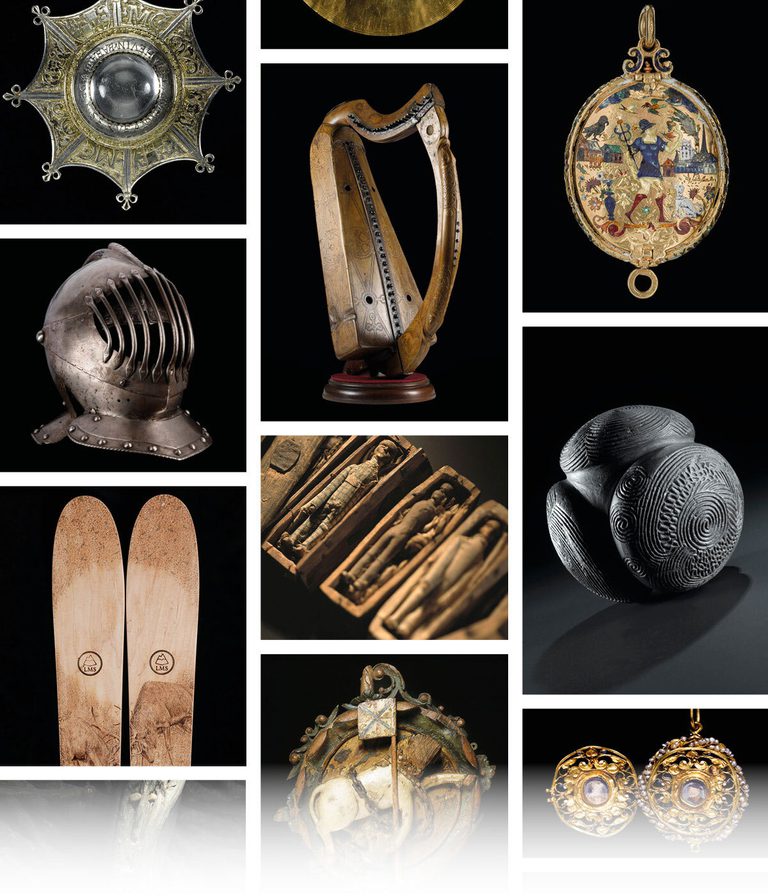
Scottish History & Archaeology stories
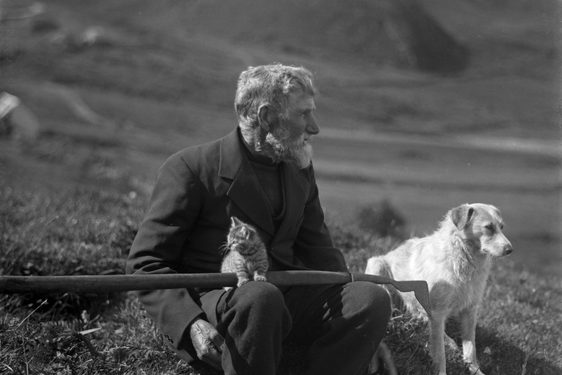
Bog Born: 12 objects from Scottish peatlands
Written by Dr Sarah Laurenson, Dr Fraser MacDonald, Dr Matthew Knight, Dr Anna Groundwater & Dr Martin GoldbergPeat bogs have been central to Scotland’s landscapes and communities for thousands of years. They are dynamic environments that grow and move, erode and entomb.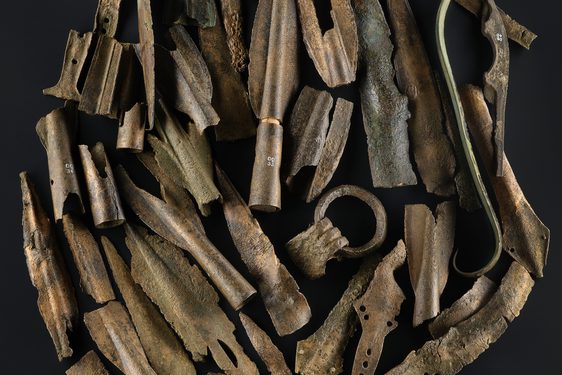
Sacrifice or scrap? The Bronze Age weapons from Duddingston Loch
Archaeology
Written by Dr Matthew KnightWhy was a 3000-year-old hoard of objects deliberately destroyed and sunk into a loch in Edinburgh?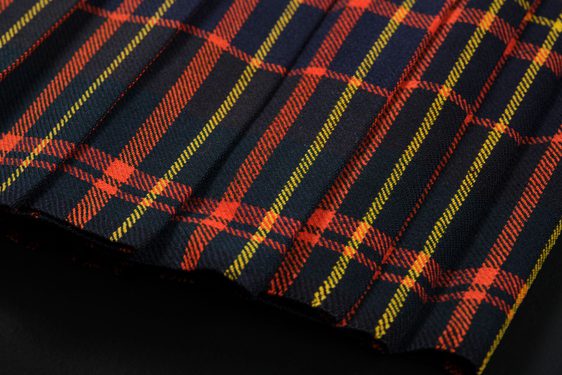
The Second World War and the end of kilts on the battlefield
Scotland
Written by Dr Julie HolderOn 1 June 1940, the last remnants of the 1st Battalion Queen’s Own Cameron Highlanders were evacuated from Dunkirk. By the time the Battalion reformed in Yorkshire, there were only around 150 men left of nearly 700. And yet, as these…